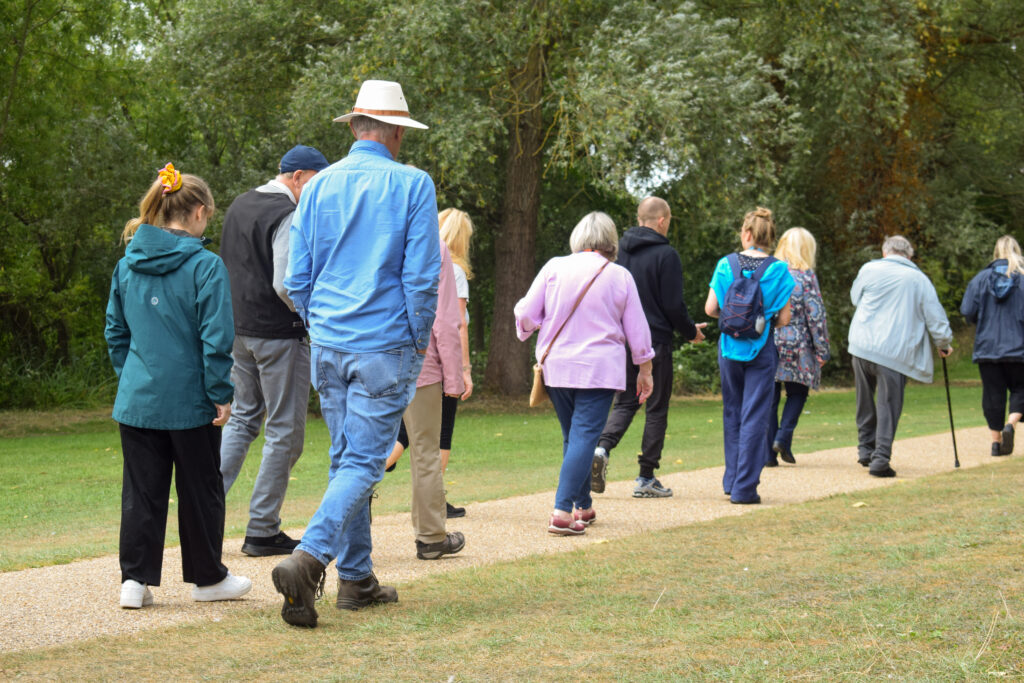
We’re encouraging everyone in the local community to get walking as part of our Steptember virtual challenge. But does walking really make that much difference to your day-to-day health?
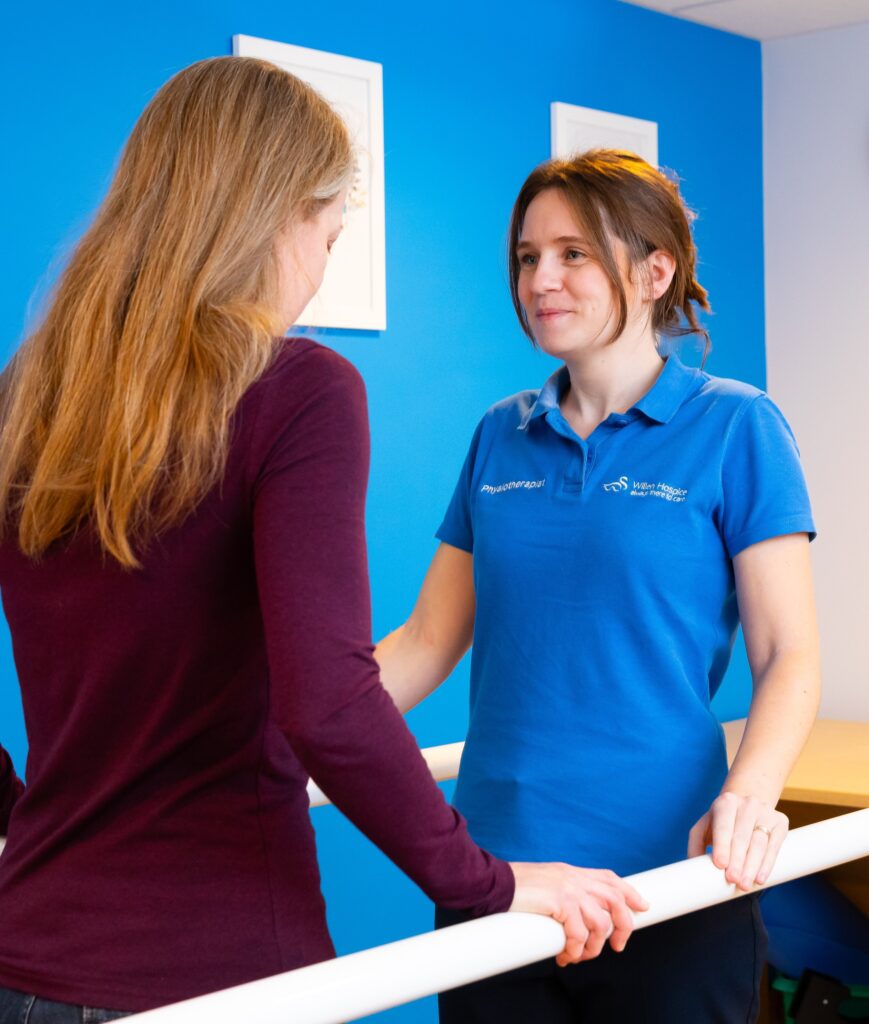
Our Hospice Physiotherapist, Emma Robinson (pictured right), explains why walking is good for everyone and how you can set goals for yourself, in the same way our therapists set goals for patients.
A physical and mental boost
Being active and being outside can have profound benefits for your health and wellbeing. It’s well known that physical activity, such as going for a walk, can improve your physical health. It can strengthen muscles, improve your balance and contribute to better heart and lung health.
But it’s important to remember that walking can also have a hugely positive impact on your mental health and wellbeing too. Here are just a few examples of how that works.
- Improving mental health: Regular walking can reduce stress, anxiety and low mood, while helping you feel calmer and more positive.
- Supporting better sleep: Daytime walking, particularly outdoors, can help improve sleep quality and regulate your sleep routine.
- Increasing energy: Although it may seem counterintuitive, moving regularly can reduce feelings of tiredness and improve energy levels.
- Boosting cognitive wellbeing: Regular physical activity is associated with better concentration, memory and overall brain health.
- Encouraging social connection: Walking with friends, family or a group can reduce isolation and provide an opportunity to connect with others.
Setting goals
If you’re looking to increase your physical activity levels, it’s a good idea to set yourself some goals or a target that you would like to achieve. A goal gives you a clear aim to work towards and can help motivate you to keep going if things get difficult.
In the Therapeutic and Wellbeing team, we talk to patients and carers to find out what matters to them and what they want to achieve. That might be improving their strength so they can maintain their independence or continue with a cherished hobby, for example. We then work with them to set and review goals. This helps us to concentrate our therapy on what that particular individual wants to focus on.
Get SMART
Making goals ‘SMART’ helps us, as healthcare professionals, work together with patients and carers towards a clear outcome. This can improve people’s motivation, encourage independence and provide evidence of progress, as well as helping us identify when a care plan or treatment needs to be changed or adapted.
Here’s how we make sure our goals are SMART:
- Specific – clearly explains what the person wants to achieve. This avoids confusion and ensures everyone involved in their care understands the goal.
- Measurable – allows progress to be monitored. For example, recording how far or how often someone walks provides evidence of improvement.
- Achievable – ensures the goal is realistic for the individual’s current health, abilities and circumstances. This can prevent frustration or loss of motivation.
- Relevant – makes sure the goal is meaningful to the person’s health and wellbeing, and relates to their individual needs.
- Time-bound – gives a clear timeframe for achieving the goal, allowing progress to be reviewed at an appropriate point.
Now it’s your turn
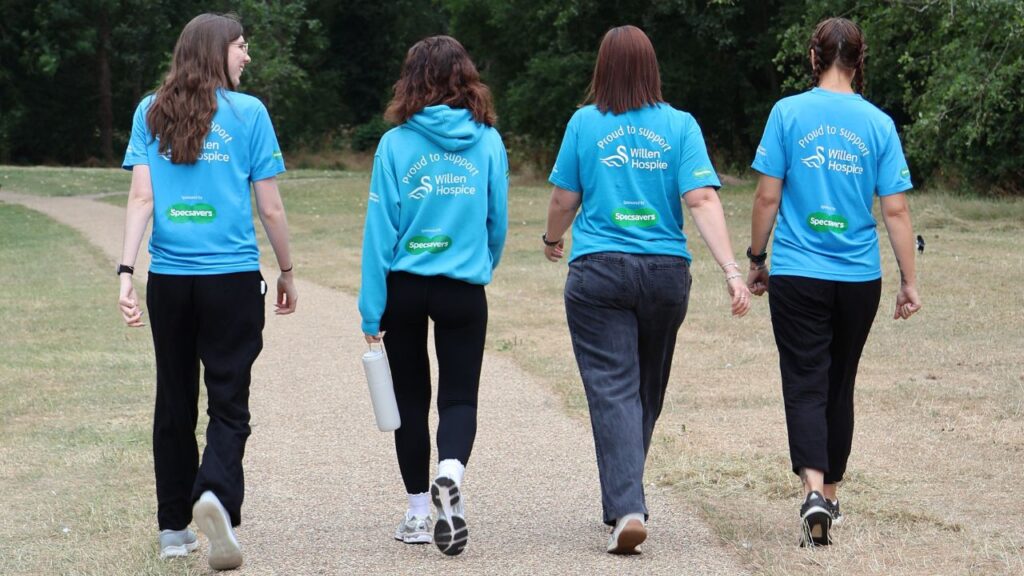
When you’re thinking about setting goals for yourself, make sure they’re ‘SMART’. An example of a SMART goal could be “I will walk one lap around Willen’s North Lake with the Hospice walking group every Thursday during September.”
Join our Steptember challenge
Every step you take in September helps us care for local families when it matters most.
Setting goals