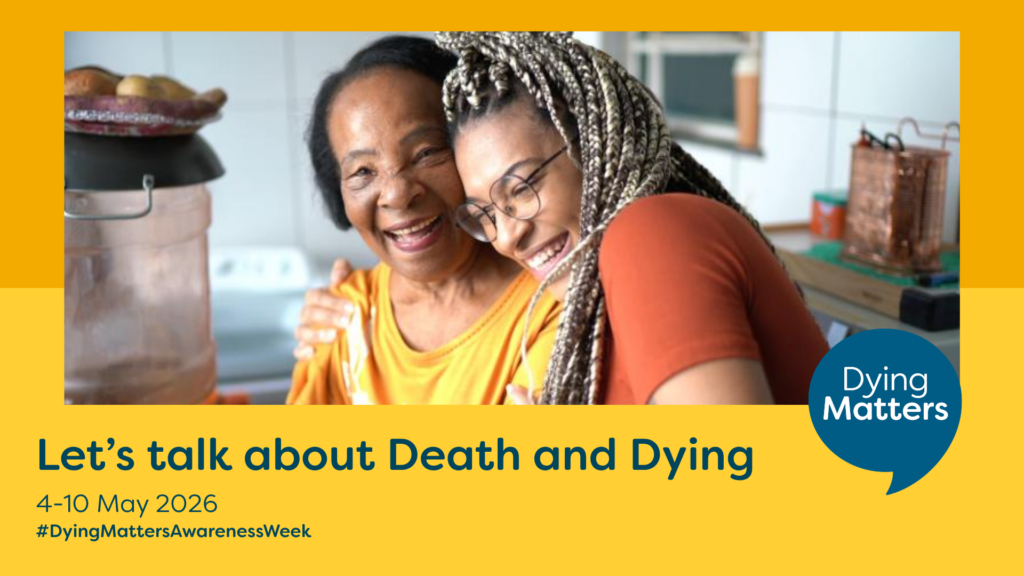
We’re marking national Dying Matters Awareness Week (4–10 May) by encouraging our community across MK to get talking about death and dying, so that fear doesn’t shape end-of-life care for local people.
Death, dying and bereavement affect everyone. Yet national polls suggest that 27% of people find it hard to talk about death with family or friends, and 30% bottle their feelings up.*
We care for around 1,000 local people a year who have a life-limiting illness, as well as their loved ones. Our staff well understand that fear can play a huge part in people’s feelings about reaching the end of their life, and sadly that can have an impact on the care and support they receive.
“I will be shouting from the rooftops … don’t be scared of coming to the Hospice.”
Lynda
Asking for help
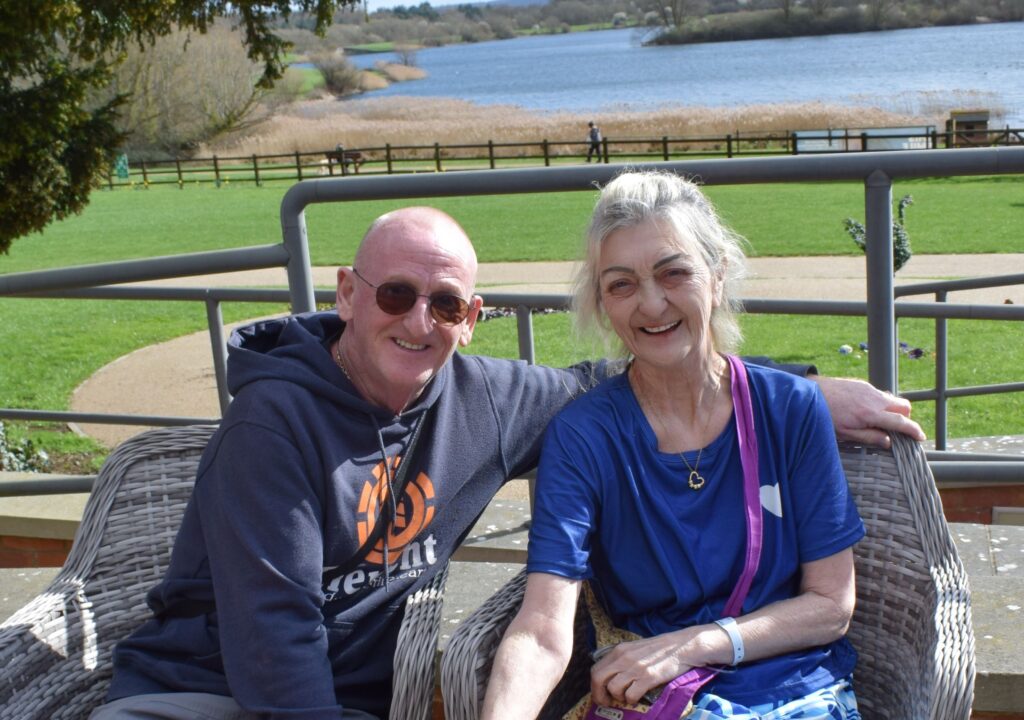
Lynda (pictured right with friend Liam) was terrified of staying at our In-Patient Unit for help with painful cancer symptoms, because she believed people only went there to die. It took a bad spell of illness for her to face her fears and bravely ask us for help. She’s now back at home with her symptoms under control.
“Life without the Hospice would be terrible. Now I know I’ve got some support. I had it all wrong and I will be shouting from the rooftops to whoever will listen to me: don’t be scared of coming to the Hospice,” said Lynda.
Understanding the dying process
What actually happens during the dying process can also be a source of fear. Dr Ben Dietsch, our Medical Consultant, works with patients to explore their concerns. “Every conversation I have with a patient about end of life is led by them,” he said. “A lot of people ask me questions about what happens when someone dies and they’re fearful of that. I think it’s really important that we demystify the dying process. Because everyone has their own thoughts, anxieties and presumptions about what happens. But it’s something that everyone will go through and something that we can support people with. If they’re aware of how it normally goes, then they might be less anxious and fearful about what it means for them and their loved ones.
“I think it’s really important that we demystify the dying process. Because everyone has their own thoughts, anxieties and presumptions about what happens.”
Dr Ben
“In these conversations, I’m also able to give patients an opportunity to think through things, prioritise what’s important to them and perhaps make plans about their care. I’m respectful that some people don’t want to do that, and that we’re not all planners in life! Sometimes planning can actually frighten people, but most patients want to record their wishes, so that everybody who is important to them has that understanding. And if healthcare professionals like me know what patients want too, in terms of end-of-life care, then we can do our utmost to actually make it happen.”
* Research from polling commissioned by Celebration Day in 2025.
Recommended Books
Hospice UK’s resources for Dying Matters Awareness Week include recommended books to help you explore conversations around death and dying
Support over the phone
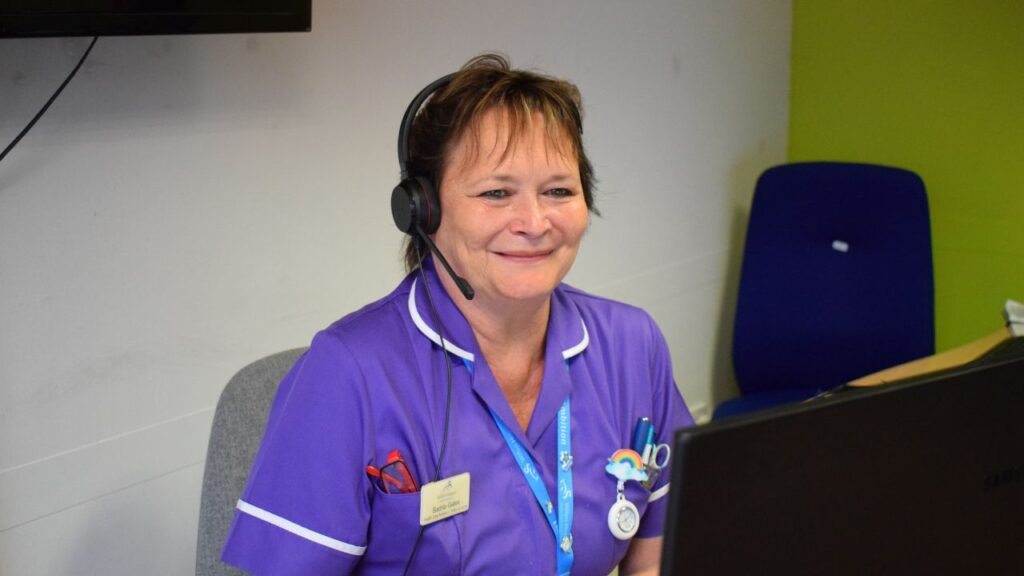
If you have a life-limiting illness, or you care for someone who has, you can get emotional and practical support through our 24-hour palliative care hub